
Visa Guide · Updated June 2026
Not Leaving the Airport Still Means Checking the Rules
Exact 2026 transit visa requirements for Indian passport holders at the airports you're most likely to connect through — UK, US, Canada, Schengen, UAE, and Singapore.
"I'm Not Leaving the Airport" Is Not a Visa Rule
Most Indian travellers assume a layover is automatically visa-free as long as they stay inside the terminal. That's true at some airports and false at others — and the difference depends on the country, not on whether you cross immigration.
Three countries that show up constantly in itineraries from India — the UK, the USA, and Canada — require Indian passport holders to hold a transit visa or equivalent permission even if they never plan to leave the airport. Other hubs, like Singapore and several Schengen airports, let Indians transit airside with no visa at all, no advance paperwork, under specific conditions.
The deciding factor is usually whether your layover is airside (you stay inside the secure transit zone, no immigration crossing) or landside (you exit through immigration, collect baggage, or change terminals outside the secure zone). But even airside transit isn't automatically visa-free for Indians everywhere — the UK is the clearest example of a country that requires a visa for airside-only transit.
Flight deal alerts, including Wingit's, flag fares based on price — not on what the connecting airport requires from an Indian passport. That check is on you, every time the itinerary includes a layover. Before you book, check current deals for your route, then run the connecting airport through the rules below.
Airside Transit vs Landside Transit: What Actually Changes
Airside Transit (often no visa)
- ·You stay inside the secure transit zone — no immigration counter, no baggage claim
- ·Common at Singapore Changi (Skytrain between terminals, fully airside) and most Schengen airports for Indians as of 2026
- ·Still requires: boarding pass for the connecting flight, sometimes a transit visa depending on the country (UK is the exception)
- ·Layover time matters — most no-visa allowances cap out around 24–96 hours
Landside Transit / Terminal Change (often needs a visa)
- ✓You exit the secure zone — collect checked baggage, clear immigration, or move between airports/terminals outside the transit area
- ✓Required at most US airports — even a same-airport connection means clearing US immigration and customs
- ✓Triggered by self-transfer bookings (two separate tickets) where you must recheck baggage outside the transit zone
- ✓Always needs a visa or valid entry permission for Indian passport holders, with no exceptions found in this guide
The label on your boarding pass doesn't tell you which kind of transit you're getting. A "connecting flight" booked as two separate tickets through different airlines often forces a landside transfer even at an airport where airside-only transit would have been visa-free.
⚠ The US has no airside-only option for Indians
Even a layover of a few hours at a US airport — anywhere, on any itinerary — requires Indian passport holders to clear US immigration and customs. There's no transit zone you can wait in without entering the country's border control. India is not part of the US Visa Waiver Program, so ESTA doesn't apply either. You need a valid US visa (a B1/B2 visitor visa or, if you're connecting only, a C-1 transit visa) before you fly. Getting this wrong means a denied boarding at your origin airport in India, not a problem you discover on arrival.
Transit Visa Rules by Hub, 2026
United Kingdom
Indian passports are on the UK's Direct Airside Transit Visa (DATV) list — required even if you never leave the transit zone. Fee: GBP 41.50. Exempt if you hold a valid US, Canadian, Australian, New Zealand, or Schengen visa with sufficient validity. Apply in advance through a UK visa application centre; this is not issued on arrival.
United States
No visa-free or airside-only transit exists for Indian nationals. You clear US immigration on every layover. Need a B1/B2 visa or a C-1 transit visa. India is excluded from the Visa Waiver Program, so ESTA does not apply.
Canada
India is not on Canada's Transit Without Visa (TWOV) eligible list, so most Indian travellers need a Canada transit visa (valid up to 48 hours) or a standard visitor visa, even for an airside connection. An eTA alone is not sufficient for Indian passport holders transiting Canada.
Schengen Area (France & Germany)
France (from 10 April 2026) and Germany (from 3 June 2026) removed the Airport Transit Visa requirement for Indian nationals transiting airside only, continuing onward by air without entering the country. Other Schengen states may still require it — verify per airport.
UAE (Dubai/Abu Dhabi)
Indians can get a transit visa (48 or 96 hours) through their airline or a travel agent, or qualify for visa-free entry if holding a valid US/UK/Schengen/Australia/Canada/Japan/NZ/South Korea visa. Wingit's Dubai guide covers the 96-hour transit visa as a real option for long layovers.
Singapore
Changi's inter-terminal Skytrain stays fully airside — no visa needed to change planes. Leaving the transit area into the city is covered by a separate 96-hour Visa Free Transit Facility, conditional on holding a valid visa for Australia, Canada, Germany, Japan, NZ, Switzerland, UK, or USA.
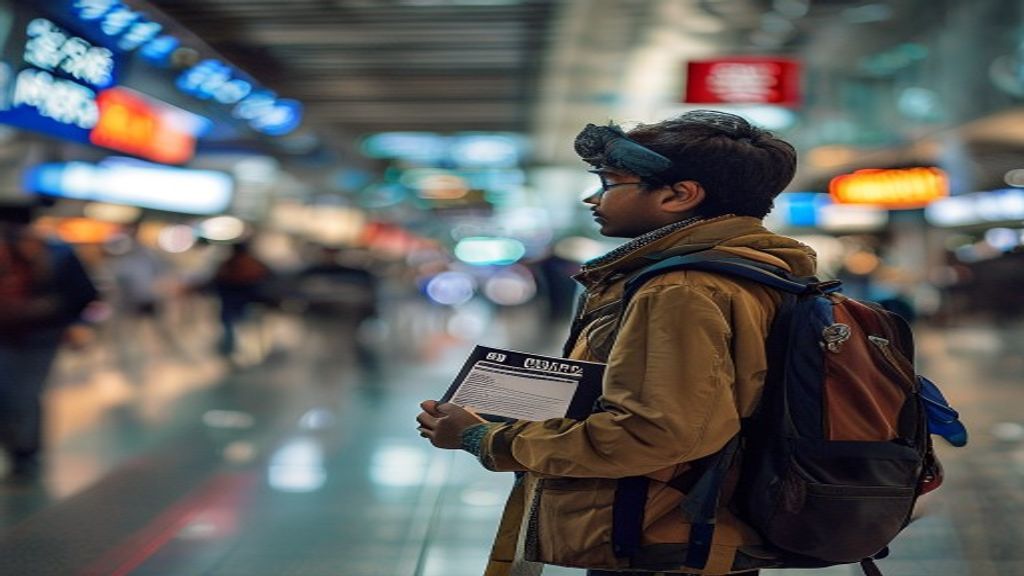
For a full cost breakdown of one of these — including the UAE's 96-hour transit visa as a genuine option for a long Dubai layover — see the Dubai Budget Guide from India 2026.
How to Check If Your Layover Needs a Transit Visa
5 Steps Before You Book a Connecting Itinerary
Identify the exact connecting airport, not just the country
Transit rules can differ by airport even within one country — Germany's 2026 exemption applies to specific airports with international transit areas (Frankfurt, Munich, Berlin Brandenburg, Düsseldorf, Hamburg). Note the IATA code of your layover airport, not just the city or country name.
Check whether your booking is a true single-ticket connection or a self-transfer
A single ticket through one airline (or an alliance) usually keeps you airside. Two separate tickets booked through different airlines often force you to collect baggage and re-check in landside — which can trigger a visa requirement even at an airport where pure airside transit is exempt.
Search the airport and country plus 'transit visa Indian passport' on the official government site
Use gov.uk, travel.state.gov, canada.ca, ica.gov.sg, or the relevant embassy site — not a travel blog. Government transit-visa checker tools (the UK's is on gov.uk) ask for your nationality and the reason for travel and give a definitive answer.
Check your layover duration against the visa-free window
UAE and Singapore's visa-free transit allowances are capped at 96 hours. If your layover runs longer because of a delay or a deliberate long stopover, you've likely crossed into needing a full visa, not just transit permission.
Confirm with your airline before you fly, not after you land
Airlines deny boarding at the origin airport if you lack required transit documentation — this is checked at check-in in Delhi, Mumbai, or wherever you depart from, not discovered for the first time at the layover. Call the airline's visa desk or check their website's visa requirement tool using your exact routing.
💡 Self-transfer bookings carry the highest transit-visa risk
If you booked a long-haul flight and a connecting flight separately to save money, check whether you'll need to exit security and re-check baggage at the layover airport. That landside move is what most often turns a "no visa needed" itinerary into one that does — especially at US and Canadian airports where there's no airside option to begin with.

Common Mistakes Indian Travellers Make With Transit Visas
5 Mistakes That Lead to Denied Boarding
Assuming 'I'm not leaving the airport' means no visa needed
True at some airports, false at others. The UK requires a Direct Airside Transit Visa for Indians even for pure airside connections. Always check the specific country's rule — don't generalise from one trip to the next.
Booking a US or Canada layover without checking visa requirements first
Both countries require Indian passport holders to clear immigration on every layover — there's no visa-free or airside-only transit option. Booking the cheapest routing through a US or Canadian hub without already holding a valid visa is a common, expensive mistake.
Trusting outdated information about Schengen transit
France and Germany changed their rules for Indians in April and June 2026 respectively. A blog post or forum thread from 2025 will likely be wrong. Other Schengen countries may still require the Airport Transit Visa — check the specific airport, not the bloc as a whole.
Not accounting for self-transfer bookings
Two separate tickets through different airlines can force a landside transfer — collecting baggage, re-checking in, sometimes clearing immigration — even at an airport where official airside transit would be visa-free. Check whether your itinerary is genuinely one connected booking.
Assuming a flight deal alert has already checked this for you
Flight deal and price-alert services, including aggregators that scan fares across multiple airlines, surface deals based on price thresholds — not on whether the connecting airport requires a transit visa for your passport. That verification step is always on the traveller, on every itinerary with a layover.
Frequently Asked Questions
It depends on the country, not just on whether you leave the airport. The UK requires a Direct Airside Transit Visa for Indian passport holders even for a layover spent entirely inside the transit zone. The US and Canada require Indian travellers to clear immigration on every layover, with no airside-only exemption at all. Singapore and, since 2026, France and Germany allow visa-free airside transit for Indians under specific conditions. Always check the specific airport and country before booking.
Yes, in most cases. India is on the UK's Direct Airside Transit Visa (DATV) required list, so Indian nationals generally need a DATV (GBP 41.50) even for a same-airport, airside-only connection. You're exempt if you hold a valid US, Canadian, Australian, New Zealand, or Schengen visa with adequate remaining validity. Apply in advance — this is not issued on arrival.
No. There is no visa-free or airside-only transit option for Indian passport holders at any US airport. India is not part of the US Visa Waiver Program, so ESTA does not apply. Every layover requires clearing US immigration and customs, which means you need a valid B1/B2 visa or a C-1 transit visa before you fly.
A valid Schengen visa generally exempts Indian nationals from needing a separate Airport Transit Visa across the Schengen area. Separately, as of 2026, France (from 10 April) and Germany (from 3 June) removed their Airport Transit Visa requirement for Indian nationals transiting airside-only, regardless of whether they hold a Schengen visa. Other Schengen countries may still require it — confirm the specific airport before booking.
Up to 96 hours in both cases, under specific conditions. The UAE issues a 48-hour or 96-hour transit visa through your airline or a travel agent, or you may qualify for visa-free entry if you hold a valid visa for the US, UK, Schengen area, Australia, Canada, Japan, New Zealand, or South Korea. Singapore's 96-hour Visa Free Transit Facility (for leaving the airport) requires a similar valid third-country visa; pure airside transfer between Changi's terminals via the Skytrain needs no visa at all.
Check current deals before booking — fares change frequently and a different routing might avoid a tricky layover entirely. Wingit's deal alerts are based on price, not on transit visa requirements, so always verify the connecting airport's rules separately once you've picked an itinerary.
Never miss a deal
Found a deal with a layover? Check the visa rules first.
Wingit alerts you the moment fares from 8 Indian airports drop 15% or more below the benchmark price — free forever, no subscriptions. Always verify transit visa requirements for your specific routing before booking.
Updated June 2026. Transit visa rules change without notice and vary by exact airline, ticket type, and nationality combination — always verify directly with your airline and the relevant embassy before booking a connecting itinerary.
Related: Indian Passport Visa-Free 2026 · Dubai Budget Guide from India 2026